

Story content
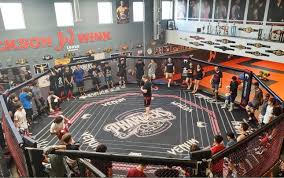
Consistency is the currency of ELITE. Raw talent can win a fight, but repeatable performance across long camps is what sustains a career. Inside of leading MMA gyms like Jackson Wink Academy, success is rarely accidental. It is built through disciplined schedules, controlled environments, and a shared understanding of how progress is supposed to look over weeks and months.
At camps like Jackson Wink, structure does more than organise the day. It reduces decision fatigue, stabilises training load, and keeps athletes aligned with the same standards. Over time, that structure becomes a performance multiplier, especially when combined with modern sports science and strong team culture.
The real question is not whether structure limits creativity, but whether it frees fighters to perform closer to their ceiling more often. For many athletes, the answer shows up in how reliably they can train, recover, and peak across multiple cycles.
Daily Camp Structure And Routines
A typical camp day is predictable by design. Sessions are fixed, recovery windows are protected, and expectations are clear before anyone steps on the mat. That predictability allows fighters to conserve mental energy for learning and execution rather than constantly adjusting to chaos.
Structured days also shape how downtime is handled. Long camps include inevitable gaps between sessions, and unmanaged idle time can quietly undermine focus. Some athletes unwind with low-effort digital distractions, from streaming to casual mobile games, and a small number may explore platforms such as Telegram casinos as part of that broader online entertainment landscape. Within disciplined camps, those habits are kept in check by routine, accountability, and the understanding that recovery should support, not sabotage, performance.
What matters is not the specific distraction, but the boundaries around it. When lights-out times, nutrition windows, and recovery protocols are non-negotiable, fighters are less likely to drift into behaviours that erode sleep quality or mental sharpness. Structure creates guardrails without constant supervision.
That environment also accelerates habit formation. Research published last year shows that tailored guidance and social dynamics significantly influence long-term adherence to fitness routines, as outlined in a 2025 study on habit formation in training environments. In a camp setting, daily repetition combined with coach feedback turns discipline into default behaviour.
Facility Access And Skill Repetition
Structure only works when the environment supports it. Elite camps increasingly rely on facilities that allow high training volumes without excessive wear and tear. Access to dedicated recovery rooms, motion tracking, and controlled conditioning spaces means fighters can repeat skills with precision rather than simply grinding through fatigue.
A clear benchmark for this approach is the UFC Performance Institute, where all UFC athletes have free access to a 30,000-square-foot facility built at a cost of $14 million, detailed in the official facility overview. The scale of that investment reflects how seriously repeatability is now taken at the highest level of the sport.
For camps, the lesson is not about luxury. It is about availability and integration. When fighters know that recovery tools, data feedback, and technical space are always accessible, they train with more intent. Sessions become about quality execution rather than surviving the workload.
This also enables individualisation within a team setting. Sports science tools, from heart-rate monitoring to hypoxic conditioning, allow coaches to adjust loads without breaking the group rhythm. Fighters stay aligned with the schedule while still training to their own needs.
Managing Downtime During Fight Camps
Downtime is often misunderstood as weakness in camp design. In reality, it is a strategic component of adaptation. Well-structured camps plan rest as carefully as sparring, ensuring that recovery supports learning rather than stalling momentum.
The key is intentional recovery. Light movement, guided mobility, and monitored sleep replace unstructured rest days where motivation can dip. Fighters are encouraged to stay connected to the gym environment even when intensity drops, reinforcing routine without adding stress.
Technology plays a role here as well. Wearables and recovery metrics help coaches spot early signs of overreaching, allowing adjustments before fatigue becomes injury. This proactive approach keeps training cycles intact, especially during the final weeks of camp when margins are thin.
Consistency As A Competitive Advantage
Over multiple fight cycles, consistency becomes a differentiator. Periodised models are designed to preserve performance qualities rather than chase short-term peaks. One example is the compressed triphasic approach, which focuses on sequential strength qualities to maintain output across long camps.
Evidence supporting this method shows that using compressed triphasic blocks helps sustain strength and power due to enduring residual effects, as explained in a 2025 breakdown of the triphasic training model for MMA. For fighters, this means fewer dramatic drop-offs between camps and a more stable performance baseline.
The bigger picture is cultural. When structured schedules, advanced facilities, and smart periodisation align, consistency stops being a personal trait and becomes an organisational outcome. Fighters entering that system are shaped by it, often performing more reliably simply by staying within its boundaries.
For athletes and coaches alike, this matters because careers are built on patterns, not exceptions. Structured environments do not guarantee wins, but they dramatically improve the odds that performance on fight night reflects the work put in every day of camp.